Antigone
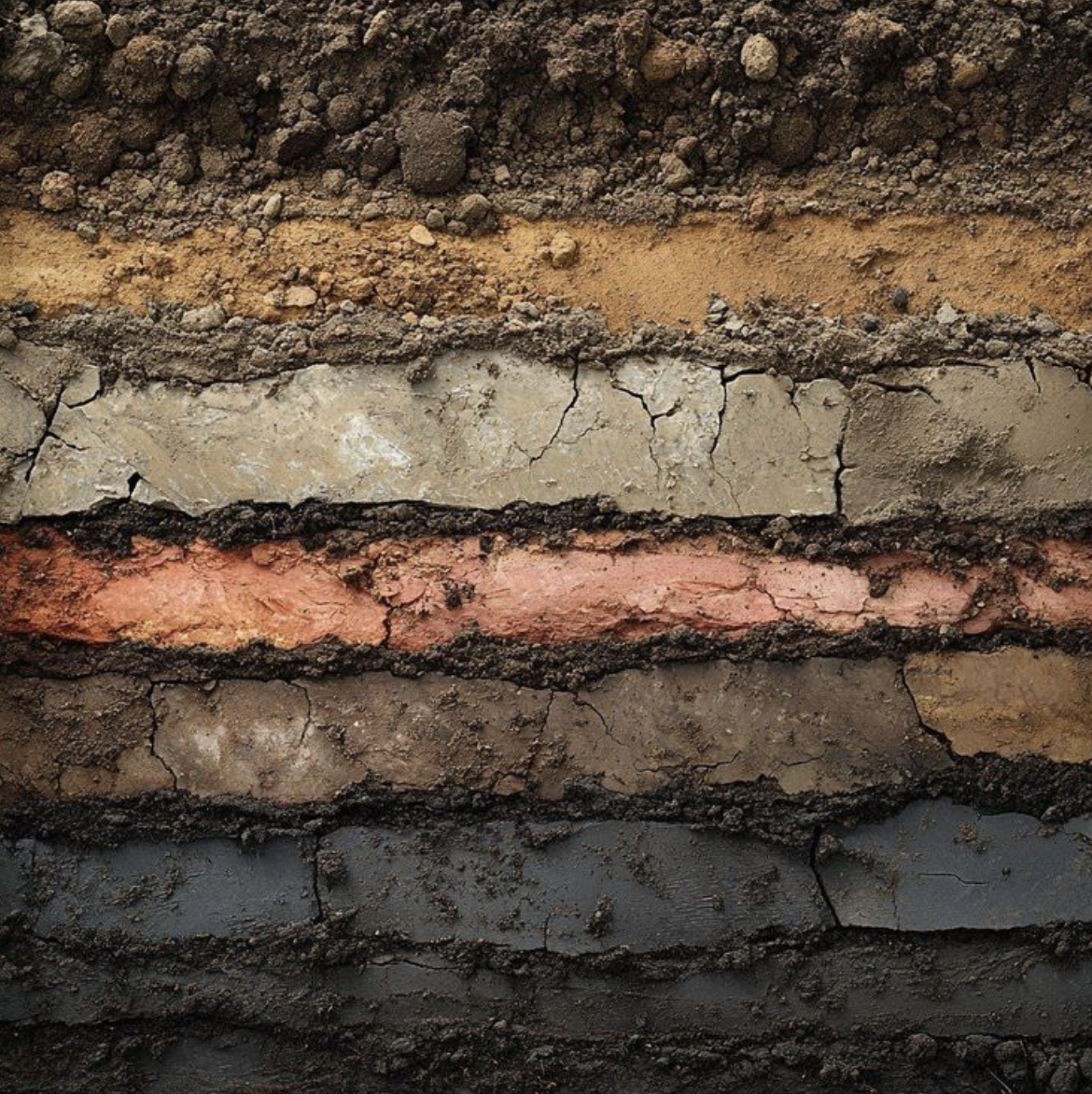
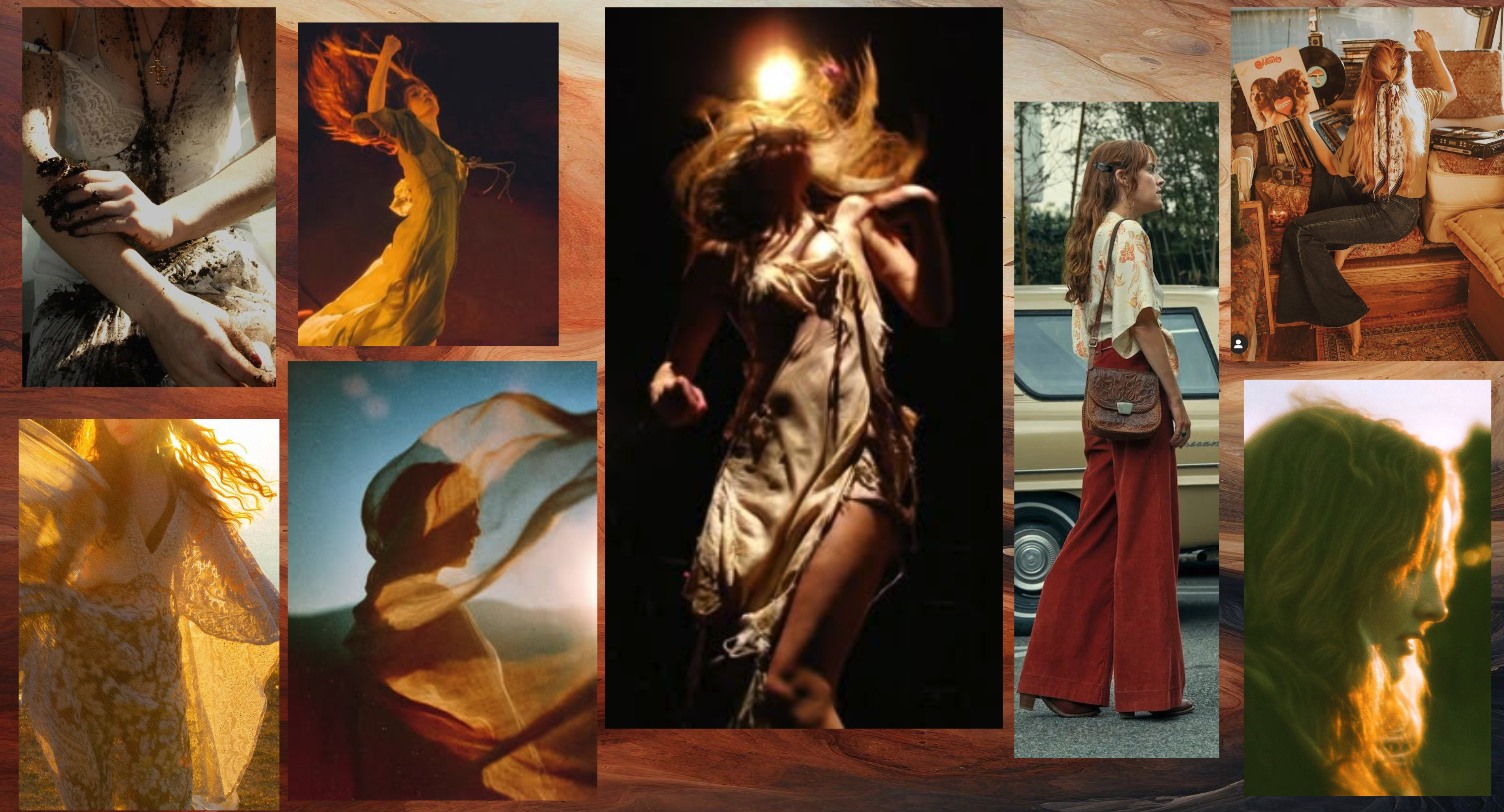
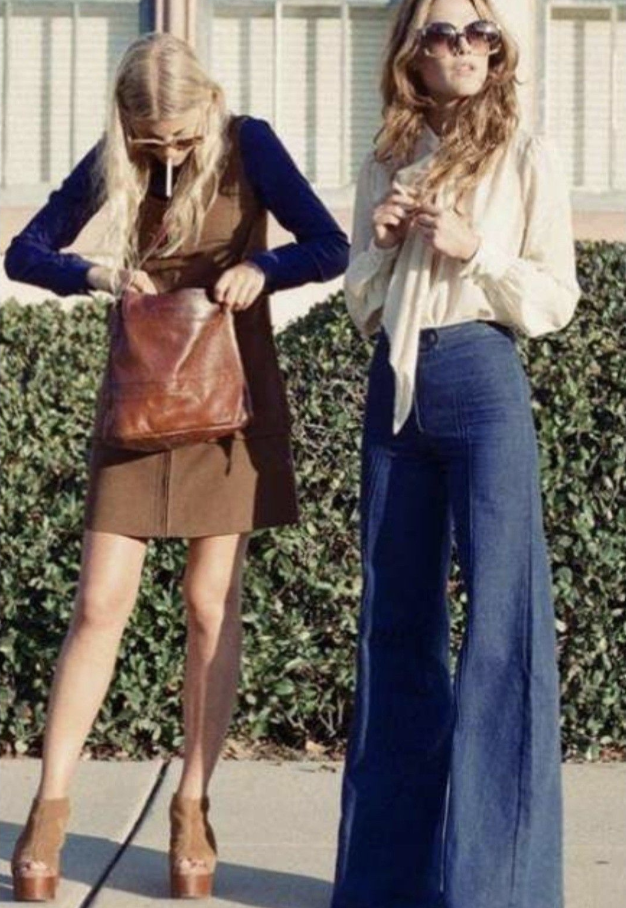
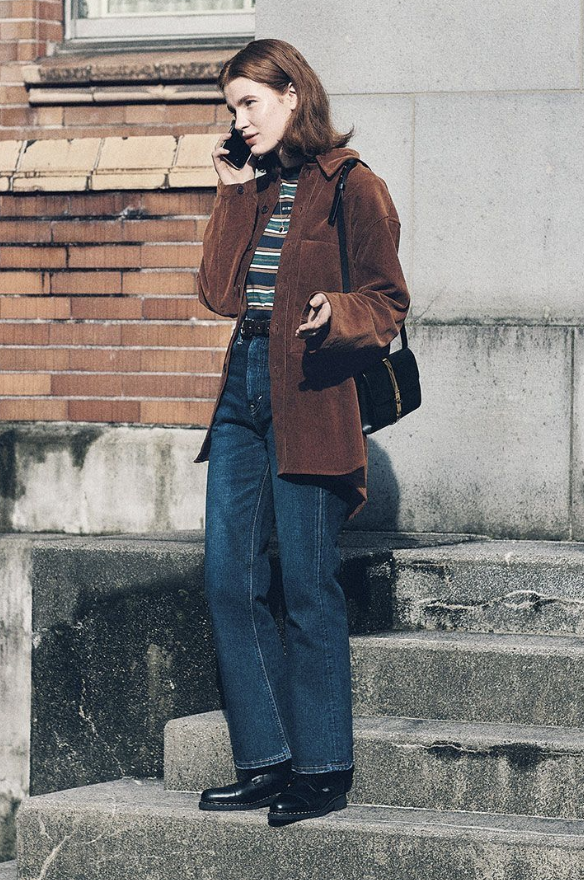
Antigone is grounded in imagery of earth, layers, history, and buried truth. These layers mirror the play’s conflict between personal conviction and governmental power. I was inspired by the idea that the ground holds memory, making it the perfect metaphor for a world built on repeated political patterns. Setting the production in a 1970s-inspired aesthetic allowed me to connect the story to a decade defined by protest and distrust of authority. By combining earthy textures with bold colors and silhouettes, I aimed to create a world that felt both historical and deeply relevant.
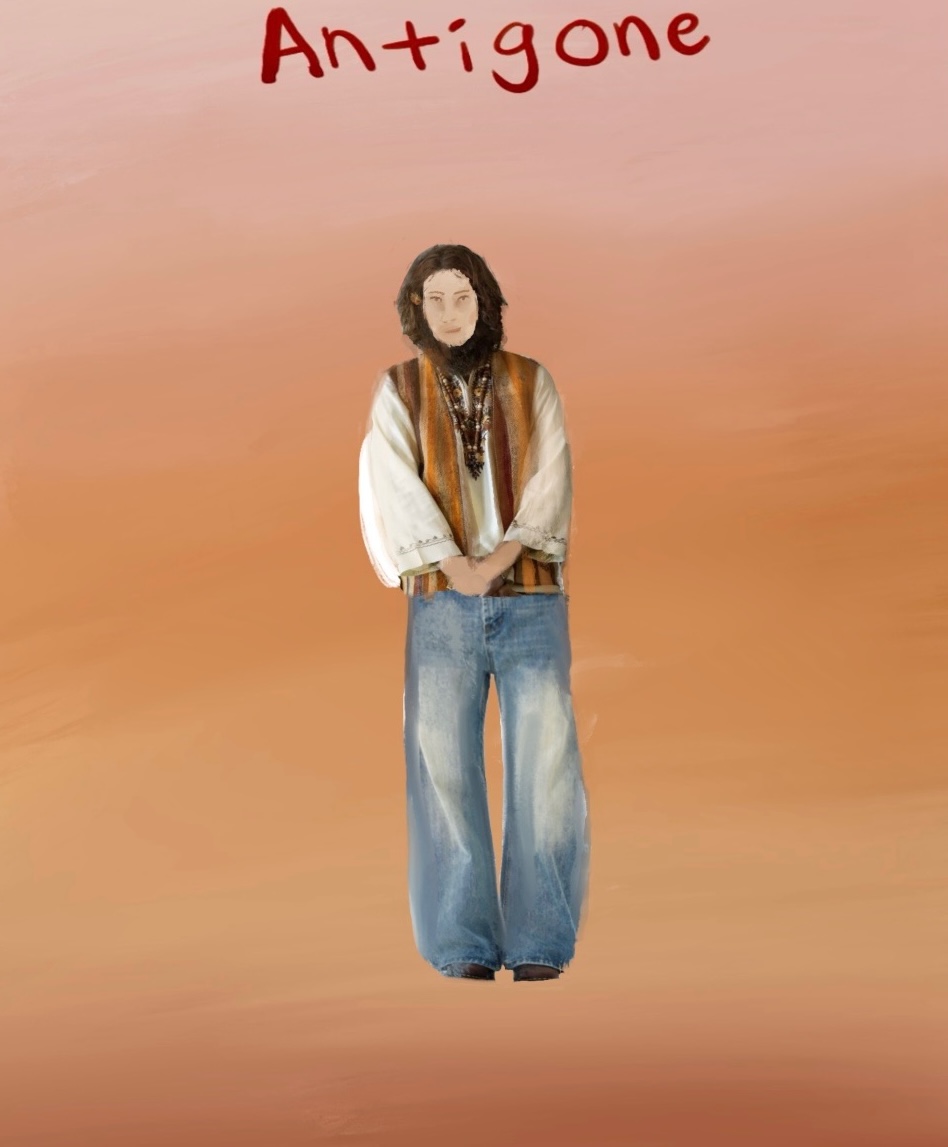
Antigone
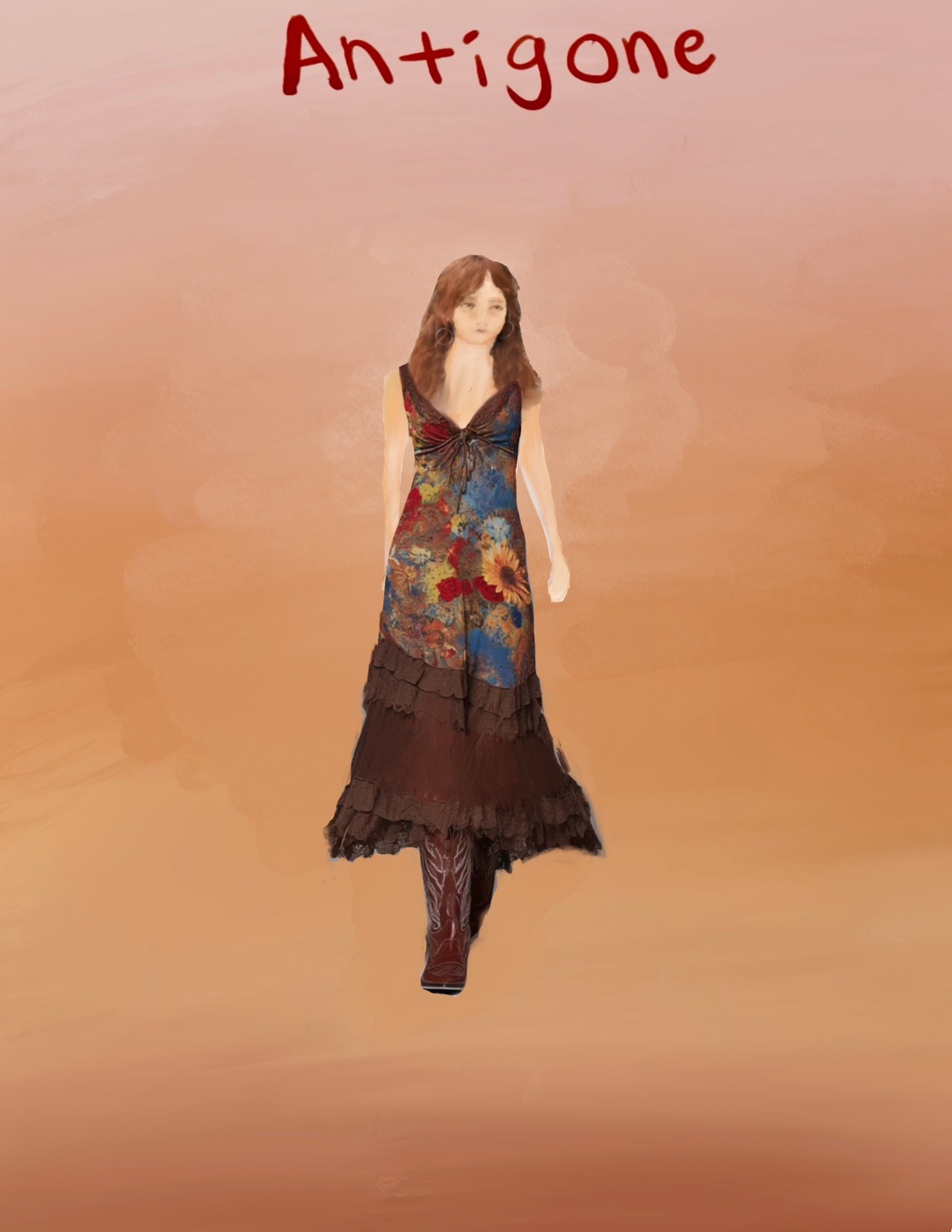
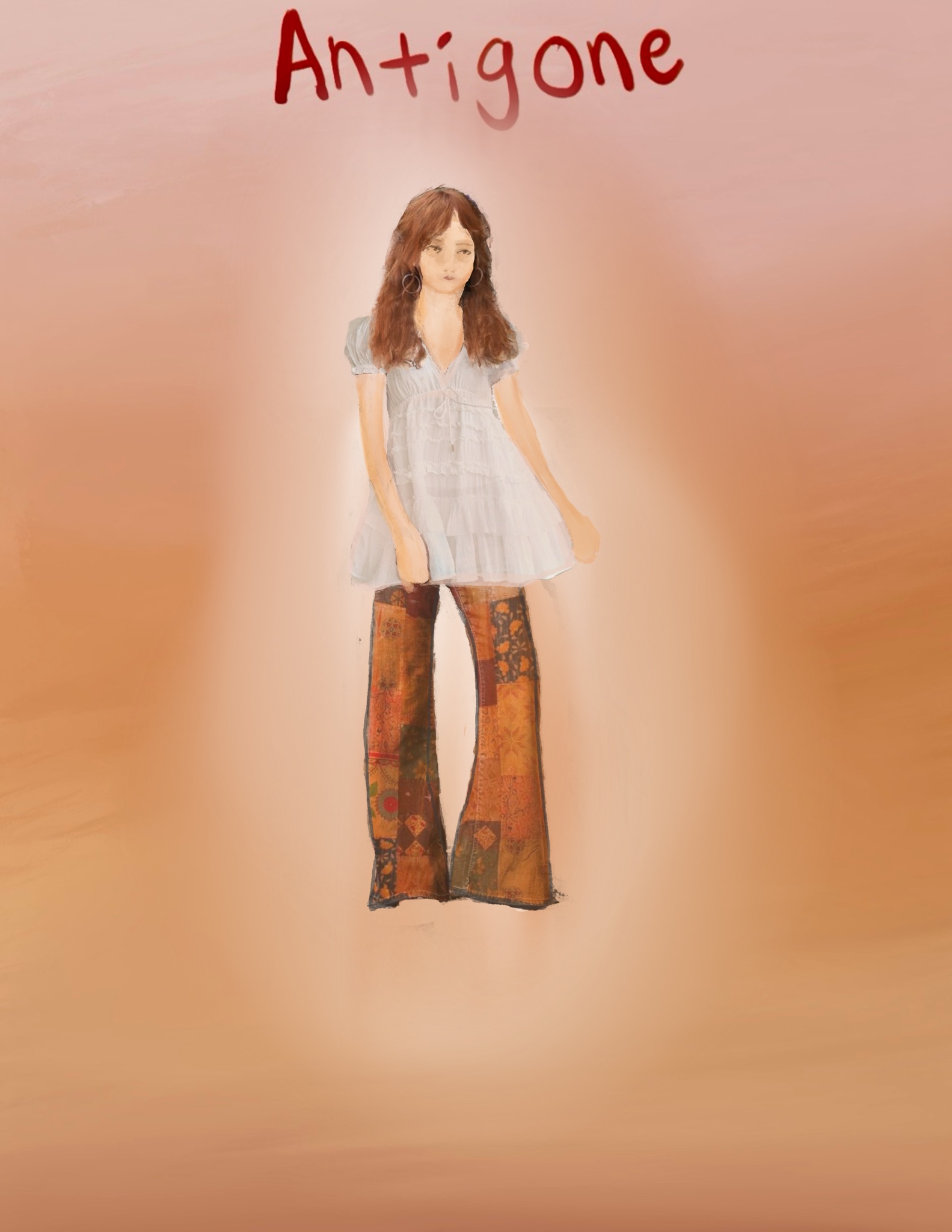
As the moral center of the play, Antigone felt most connected to the earth. I gave her a warm, grounded color palette and drew inspiration from watercolor paintings, incorporating patterns that flow and bleed into one another. The result reflects both her compassion and unwavering conviction.
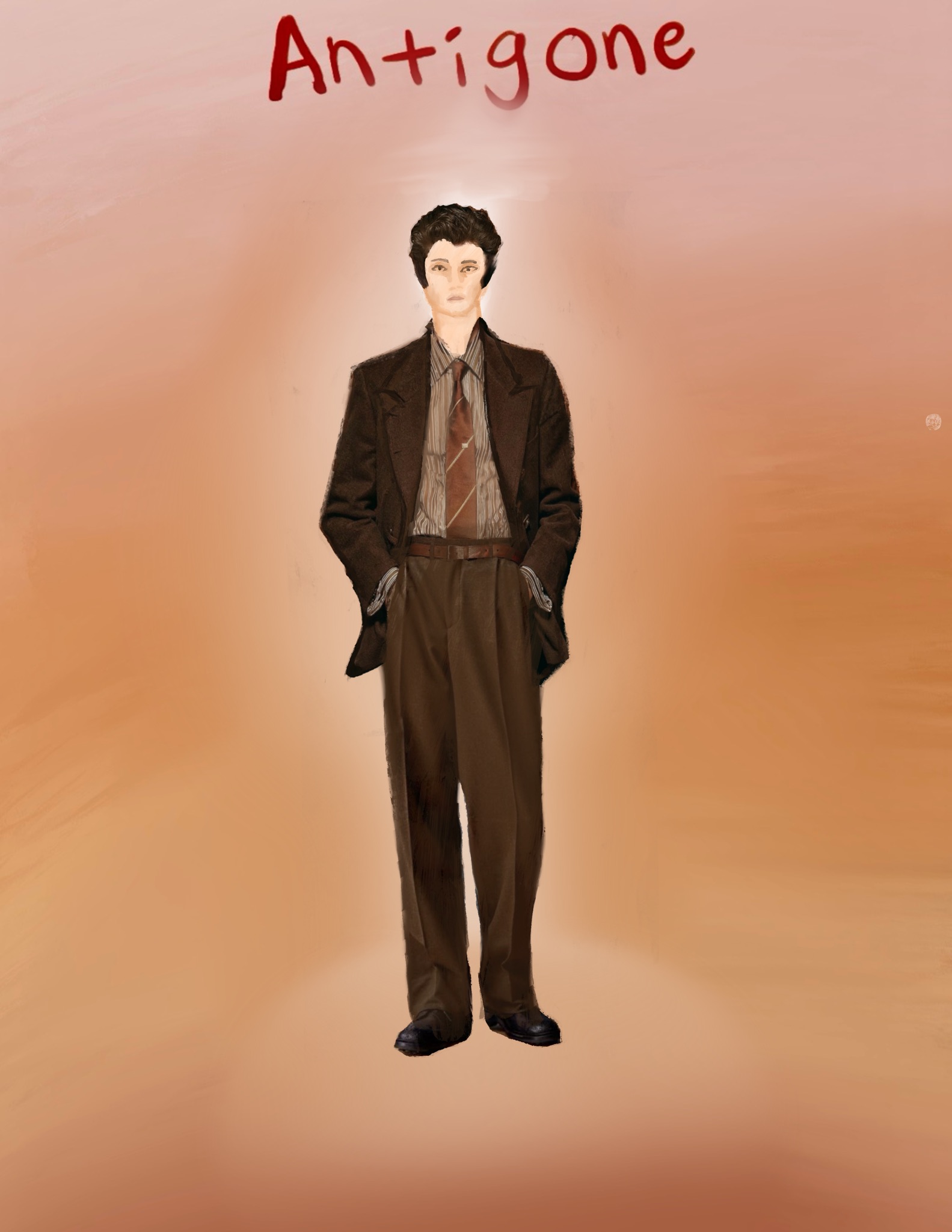
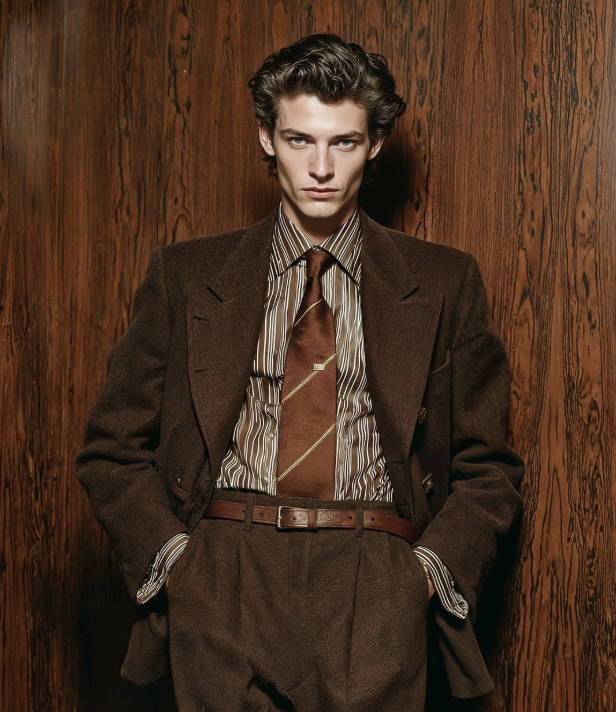
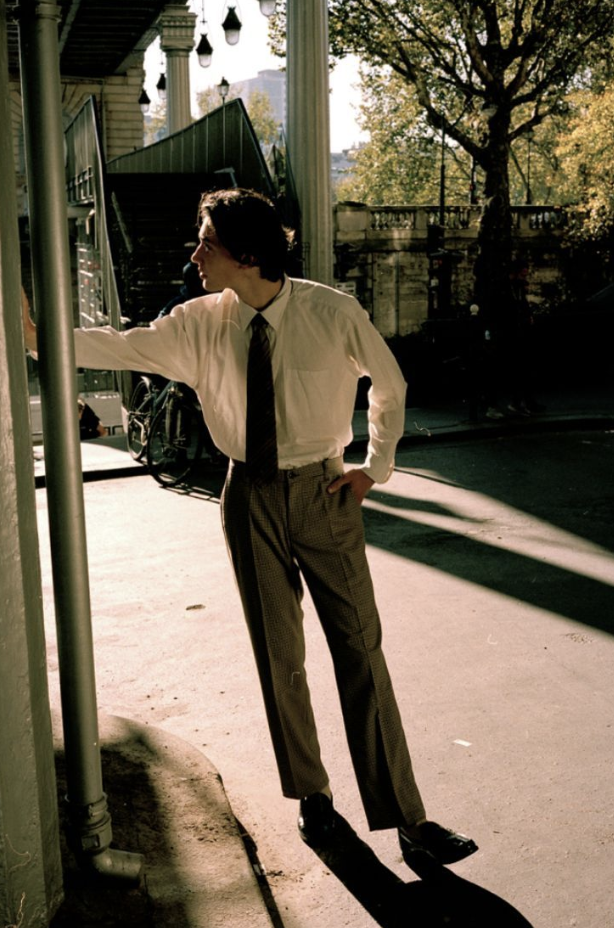
Haemon
I dressed Haemon in a suit to reflect his connection to Creon and the political world he inhabits. At the same time, I grounded him in earth tones and shades of brown to represent his position between two opposing worlds and loyalties.
Ismene
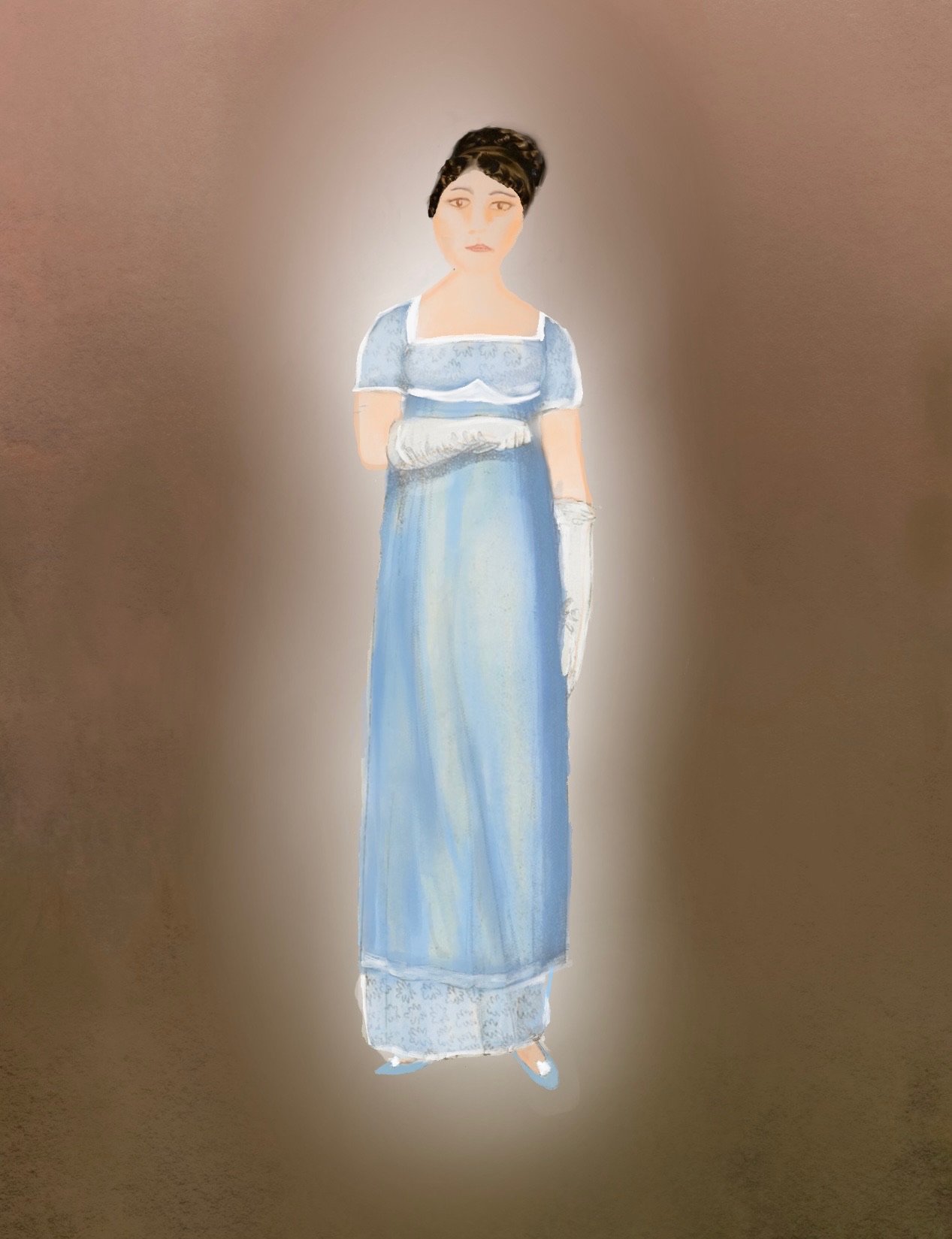
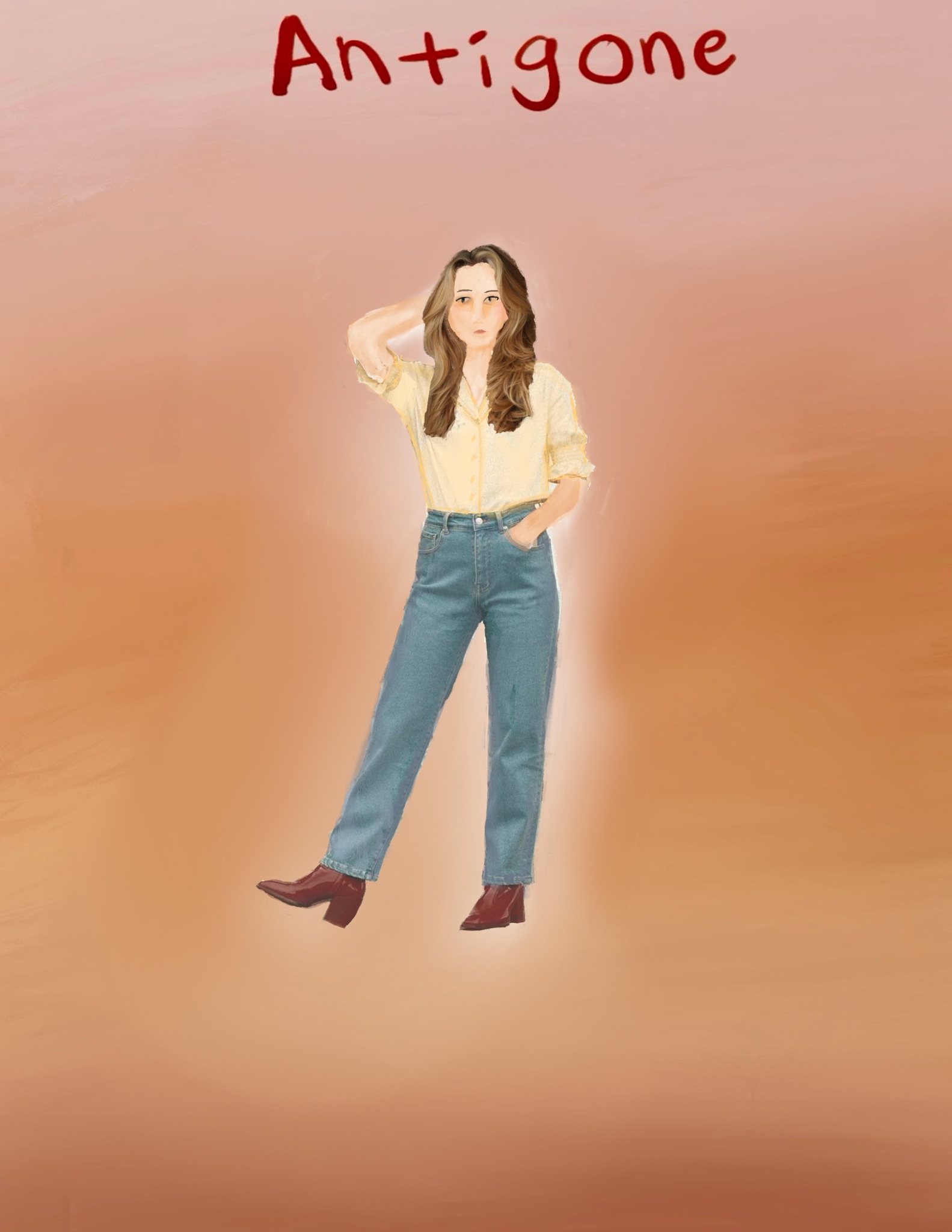
I wanted Ismene to feel connected to the earth like Antigone while remaining more influenced by the expectations of society. Her design reflects a character who is grounded but ultimately shaped by the pressures around her.
Tiresias
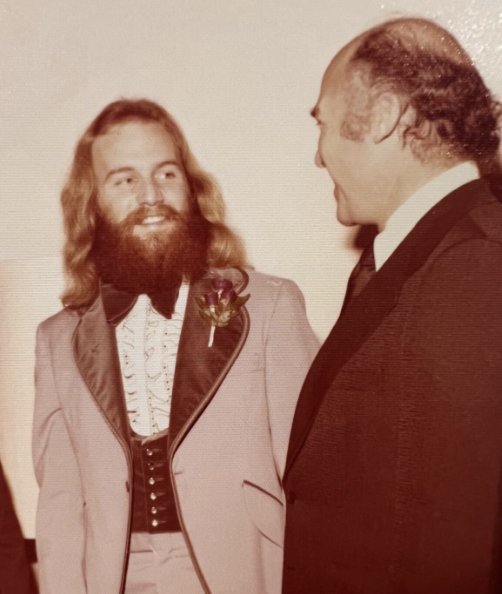
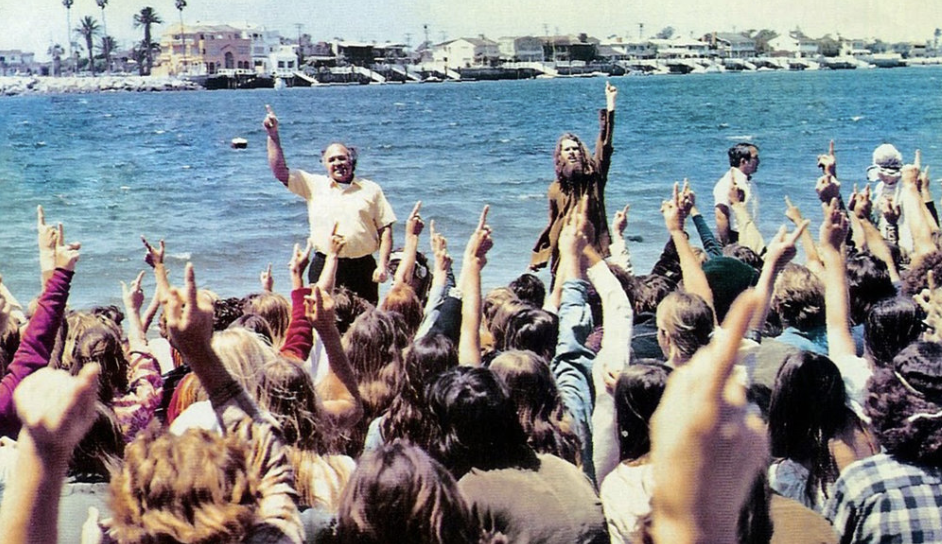
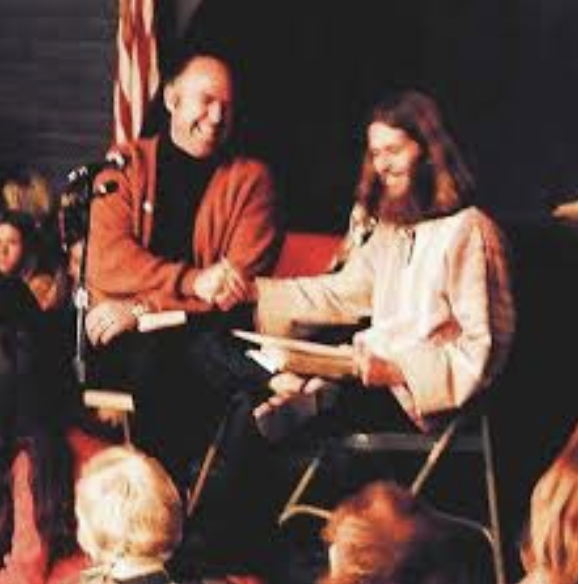
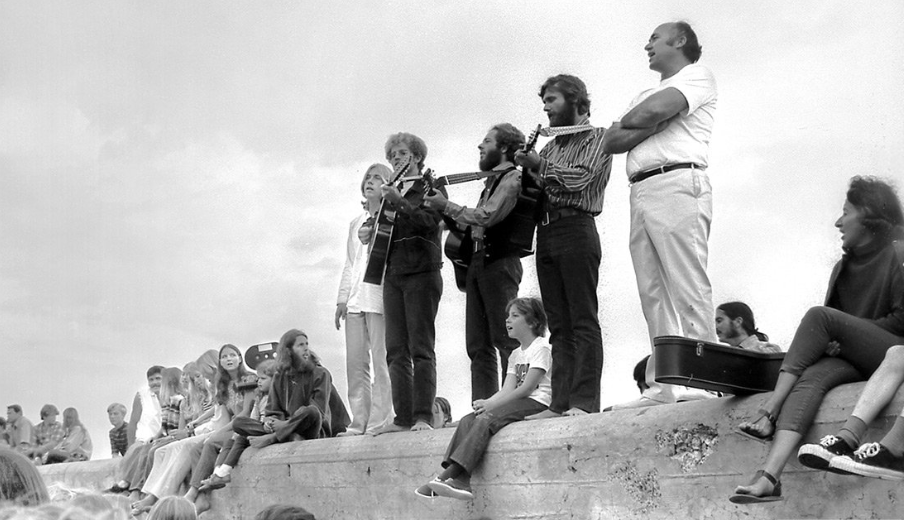
For Tiresias, I wanted to balance a radical visual presence with a sense of authority. During my research, I became fascinated by Lonnie Frisbee and the aesthetic of the 1960s and 1970s Jesus Movement. Drawing loosely from those influences helped me create a look that communicated both the complexity of the character and his ability to command attention.